
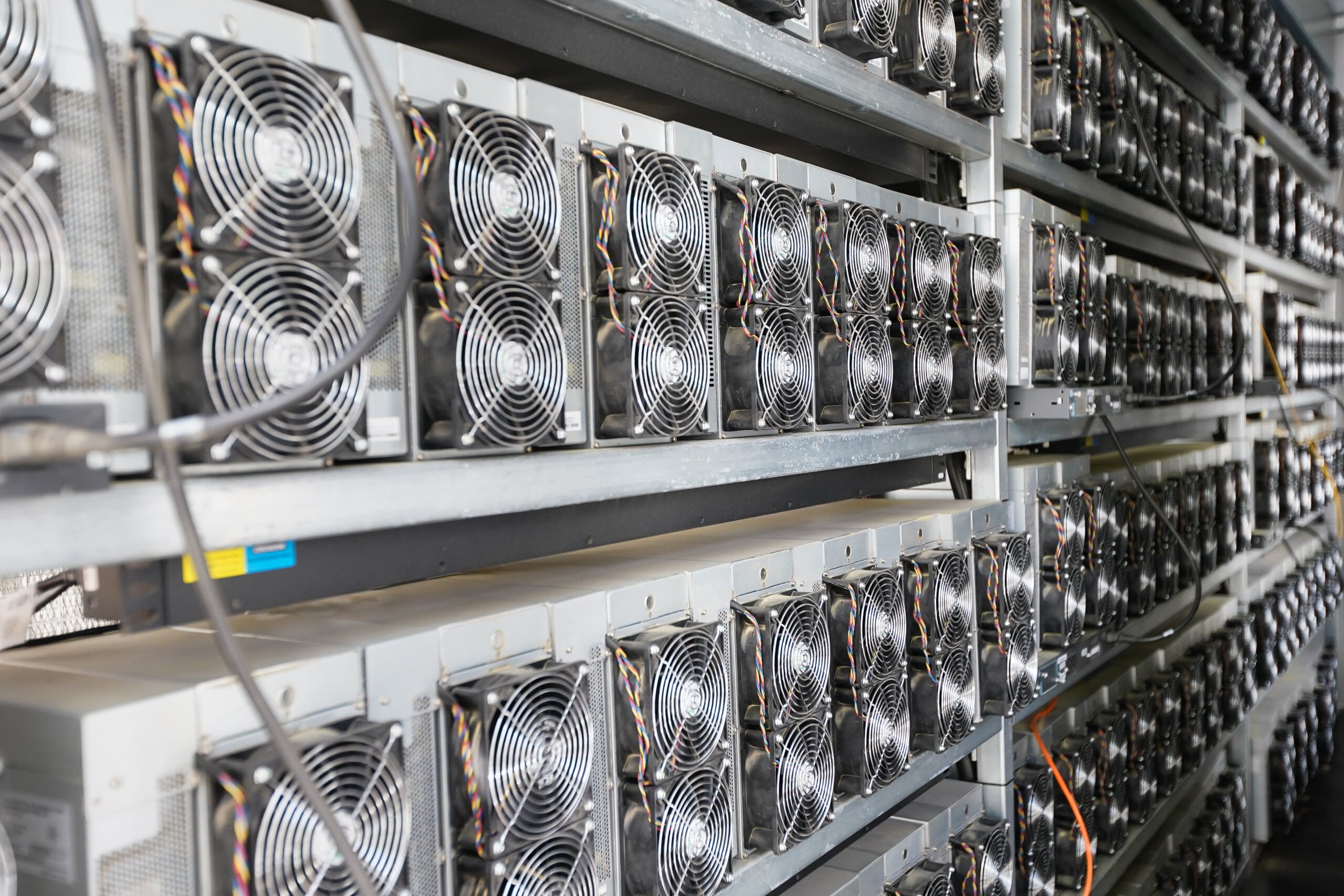
On March 22, 2026, data from the Checkonchain difficulty regression model revealed a growing “profitability gap” in the Bitcoin mining industry, estimating the average cost to mine a single bitcoin at approximately 88,000 dollars. This figure represents a significant increase from late 2025 and is driven primarily by the relentless surge in network hashrate and the subsequent upward adjustments in mining difficulty. With Bitcoin currently trading near the 69,000 dollar mark, the majority of the world’s mining operations are now operating at a “paper loss,” creating a scenario of potential “miner capitulation” that has not been seen since the post-halving period of 2024. While the largest, most efficient publicly traded firms like Marathon and Riot continue to benefit from low-cost power contracts and subsidized hardware, smaller and mid-sized miners are increasingly finding themselves underwater. This economic pressure is forcing many operators to liquidate their “HODL” reserves to cover operational expenses, contributing to the “stubborn” price resistance currently observed in the spot market.
Evaluating the Impact of Rising Energy Costs and Hardware Obsolescence
The 88,000 dollar “production floor” estimated by Checkonchain is a weighted average that accounts for both the increasing price of electricity in major mining hubs and the rapid obsolescence of older ASIC models. In the 2026 mining landscape, only the latest generation of “immersion-cooled” hardware, such as the Bitmain S23 Pro series, is capable of maintaining a positive margin at sub-70,000 dollar price levels. Consequently, the industry is witnessing a massive “hardware refresh” cycle, where older machines are being decommissioned or moved to regions with even cheaper, stranded energy sources. Analysts suggest that this “pruning” of the network is a necessary, albeit painful, part of Bitcoin’s long-term security evolution. By pushing the cost of production higher, the network effectively mandates a “flight to efficiency,” where only the most technologically advanced and well-capitalized firms can survive. However, in the short term, this dynamic creates a “supply overhang” as distressed miners are forced to dump their newly minted coins onto the market regardless of the prevailing price, preventing a swift recovery toward the 80,000 dollar level.
Strategic Consolidation and the Rise of “Energy-First” Mining Models
The current profitability crisis is triggering a wave of strategic consolidation across the mining sector, as the “Bitcoin-only” miners are being outperformed by “Energy-First” companies that utilize their mining rigs as a flexible load for the power grid. These advanced operators, who participate in “demand response” programs, are able to earn credits from utility companies during periods of high grid demand, effectively lowering their net cost to mine to zero or even into negative territory. This “synthetic yield” allows them to remain profitable even when the Checkonchain model suggests the industry is in the red. As we move deeper into the 2026 fiscal year, the gap between these “grid-integrated” miners and traditional operators is expected to widen, leading to a series of high-profile mergers and acquisitions. For the 2026 investor, the 88,000 dollar production cost serves as a critical “macro-thermometer” for the health of the network. While the current “underwater” status of the industry is a bearish signal for short-term price action, it also sets the stage for a massive supply squeeze once the inefficient miners are flushed out and the remaining “hardened” operators begin to re-accumulate their coins.
