
With the price of jet fuel continuing to surge amid the war in Iran, multiple aviation insiders have rung alarm bells about the impact this will have on the aviation industry and, subsequently, air travel prices.
This week, oil prices across the U.S. reached an average of $4 per gallon, a high unseen since 2022. Prices for ready-to-use jet fuel averaged $195 a barrel.
As a result, JetBlue Airways became the first U.S. airline to implement a price hike on checked baggage in connection to the rising cost of fuel. Delta Air Lines CEO Ed Bastian had also previously said an increase in oil prices of just one cent per gallon would lead to more than $40 million in annual losses for the airline.
In addition, United Airlines head Scott Kirby had earlier in the month warned that the impact on passengers as airlines work to pass on their losses through higher prices “will probably start quick.”
“No assurances into June and July,” Ryanair CEO says of oil crisis
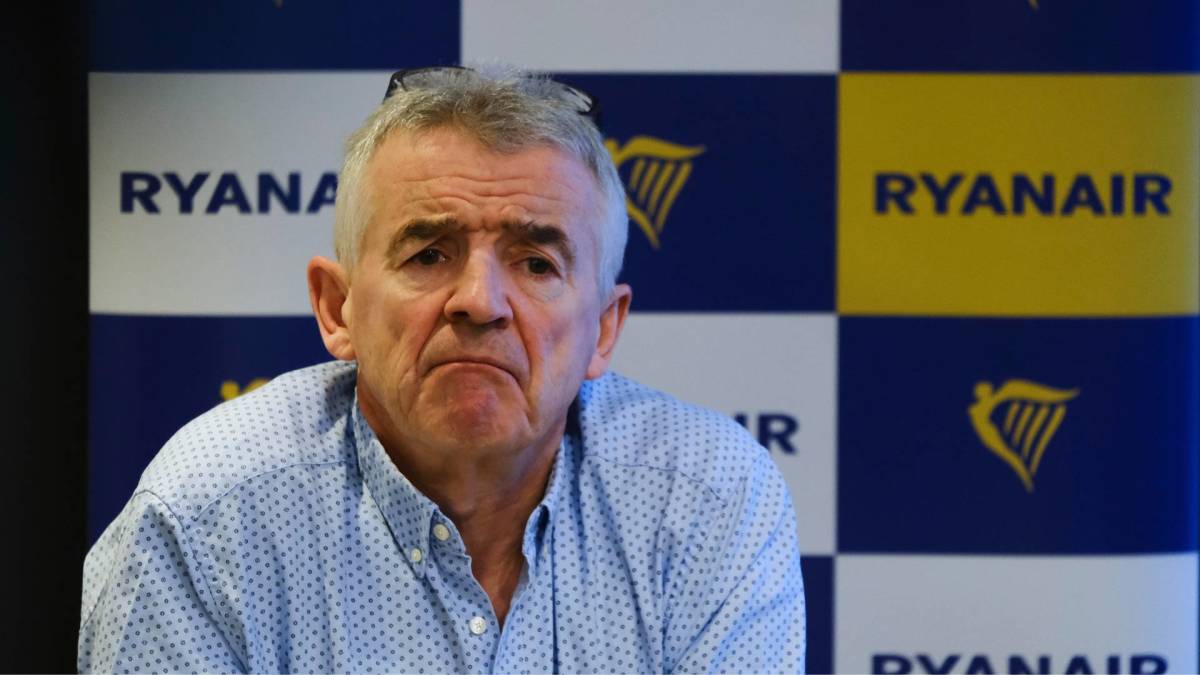
The latest airline executive to warn of the rising cost of jet fuel is Ryanair CEO Michael O’Leary.
The Dublin-based budget carrier is the largest airline in Europe by total passengers carried and runs on a business model of offering rock-bottom prices on short flights between nearby European cities and then tacking on extra fees for things like baggage and seat selection.
Related: Fairmont hotel in Dubai set aflame after Iranian strike
“Nobody is willing to give us any assurances into June or July,” O’Leary said of the impact on rising oil prices in an interview with The Guardian.
“But if there’s a risk to 10% or 20% of the fuel supply in June, July, or August, then we and all other airlines would have to start looking at cancelling some flights or taking some capacity out.”
O’Leary went on to say that among European countries, the United Kingdom will be hit the hardest by rising oil prices due to its reliance on oil from Kuwait. Iranian air strikes have targeted a number of key infrastructure sites over the last month.
Shutterstock
“You have still got to ship it to Europe and we don’t know when or how that happens”
“Of all the European countries at the moment, the one that is most vulnerable is the U.K. because of the market share that the Kuwaitis have here,” O’Leary said further.
“There could be a surplus of jet A-1 fuel in the Middle East, but you have still got to ship it to Europe and we don’t know when or how that happens.”
More Travel News:
- Airline to launch unusual new flight to Cayman Islands from the U.S.
- Iranian strike hits major airport, injuries reported
- Unexpected country is most luxurious travel destination for 2026
- U.S. government issues sudden warning on Switzerland travel
Unlike U.S. airlines, which have largely stopped the practice decades ago due to the risks of losses should prices change, Ryanair has hedged 80% of its fuel costs until March 2027 at $67 a barrel. Hedging means locking in prices using futures contacts.
Even so, the prolonged war has brought major market uncertainty and a situation in which, according to O’Leary, the airline is “never in control of pricing.” He did not comment on any potential price hikes but refused to rule out the possibility when pressed.
Related: Another cruise line cancels all sailings amid global conflict
